Rhythm Desai - Product Designer
Designing clean interfaces and immersive experiences where form meets function.
Apps
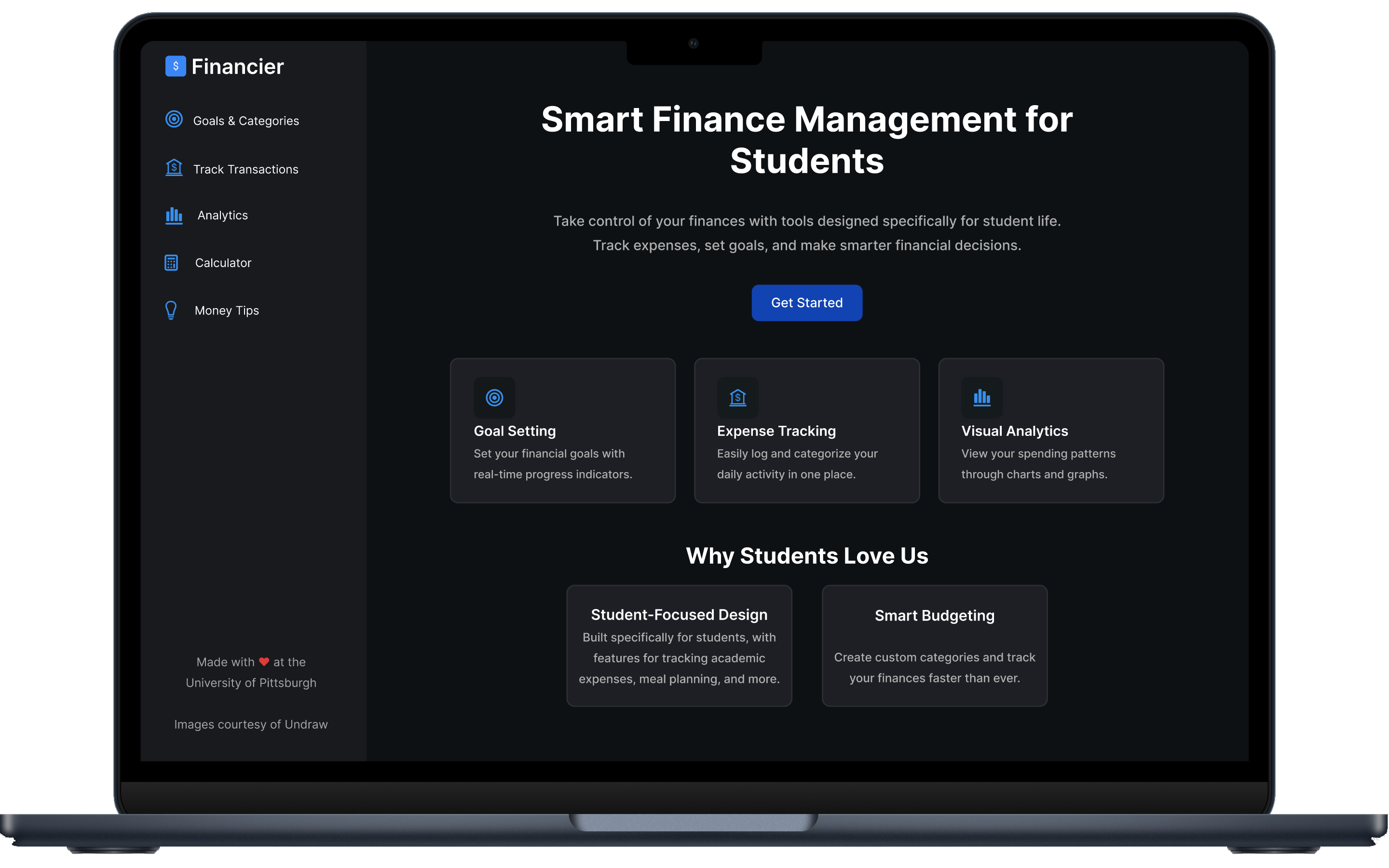
No. 001 Financier
TYPE: WEB APP / PWA
ROLE: DESIGN & DEVELOPMENT
TECH: HTML, CSS, JS, CHART.JS, LOCALSTORAGE
Financier - College Budgeting Web App
A student-focused budgeting tool designed to help manage expenses, set financial goals,
and track income with browser-based persistence. It features transaction logging, visual analytics with
Chart.js, and a unique meal plan deduction system. The app uses localStorage for zero-server persistence
and is installable as a mobile PWA.
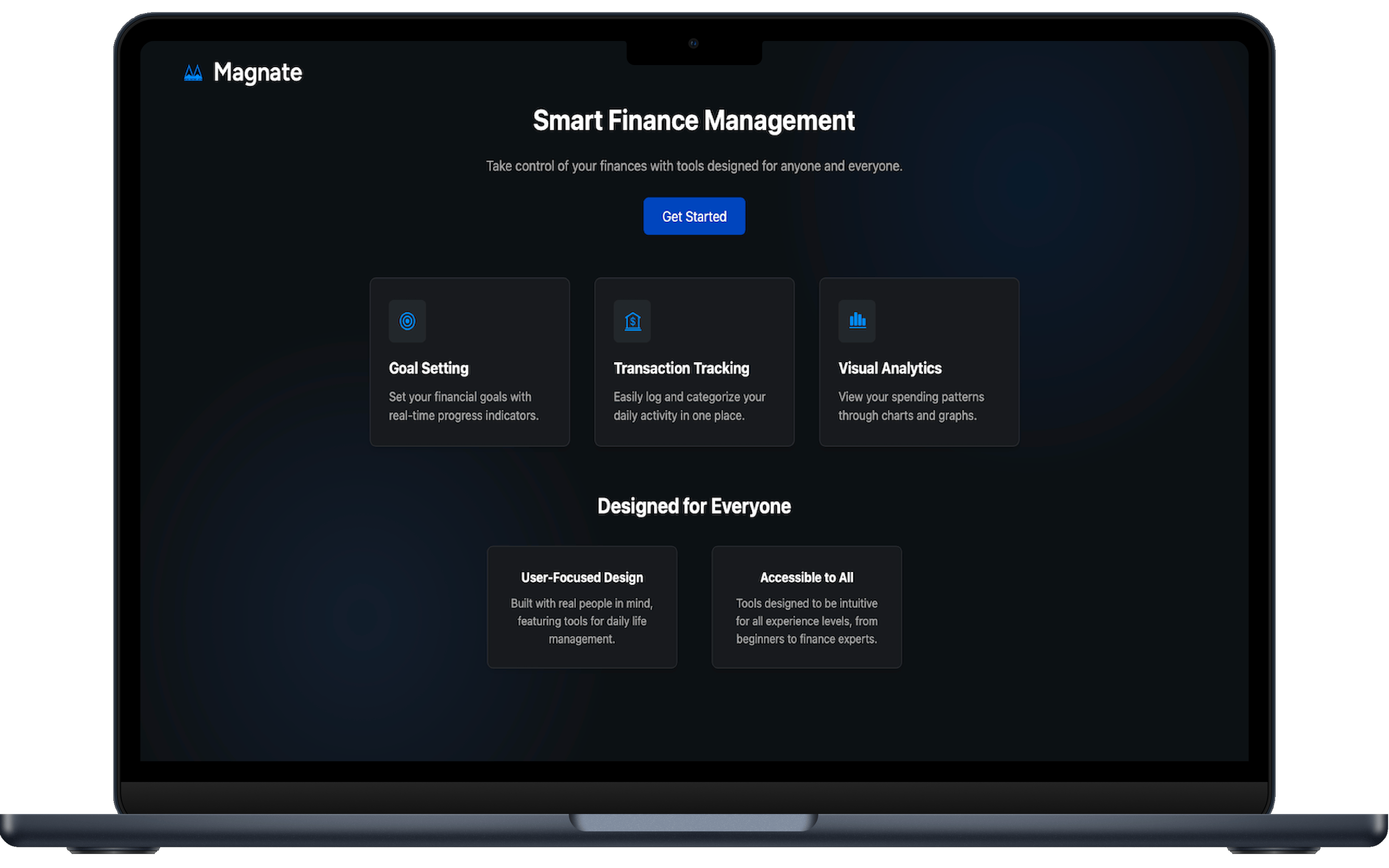
No. 002 Magnate
TYPE: WEB APP / PWA
ROLE: DESIGN & DEVELOPMENT
TECH: HTML, CSS, JS, EASYMDE, CHART.JS, LOCALSTORAGE
Magnate - Budgeting Web App
The next evolution of Financier, introducing Transaction Groups and markdown-supported
notes via EasyMDE. This version prioritizes WCAG compliance, mobile-optimized spacing, and refined UI
consistency. It replaces the meal plan system with flexible groups for a more mature personal finance
experience.
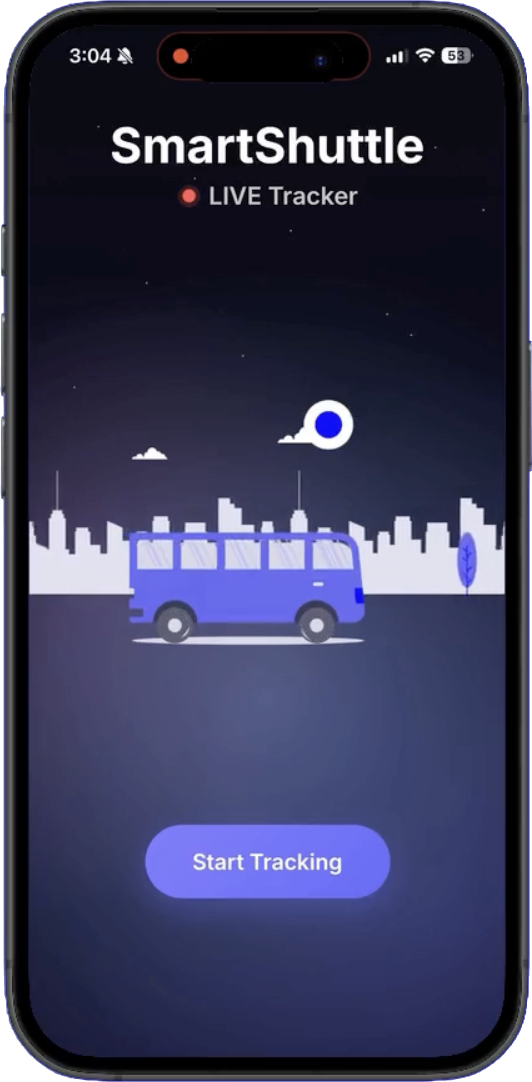
No. 003 SmartShuttle
TYPE: WEB APP / PWA
ROLE: DESIGN & DEVELOPMENT
TECH: HTML, CSS, JS, LEAFLET.JS, TRANSIT API
SmartShuttle - Live Shuttle Tracker
A real-time campus shuttle tracker providing live GPS locations, estimated arrival
times, and vehicle occupancy data. Built with Leaflet.js and the Transit API, it includes a feedback
collection system with GitHub Issues integration and is fully installable as a mobile PWA.
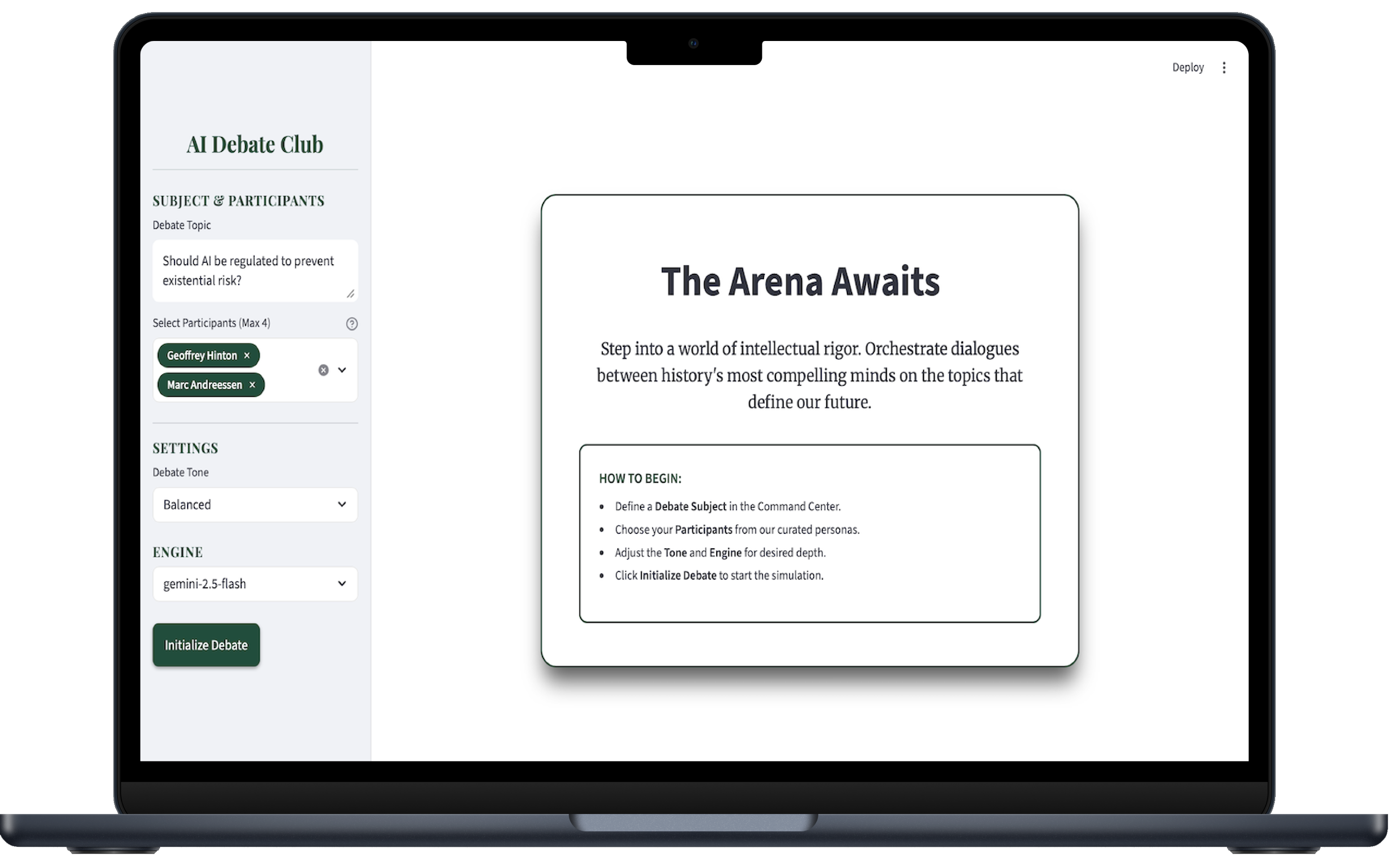
No. 004
AI Debate Club
AI Debate Club
TYPE: AI SIMULATOR
ROLE: DESIGN & DEVELOPMENT
TECH: STREAMLIT, CSS, PYTHON, GEMINI API
AI Debate Club - Multi-Persona Debate Simulator
A high-fidelity simulator that orchestrates structured intellectual discourse between
contemporary figures using the Google Gemini 2026 SDK. It features a unique stage-based
moderation engine (Opening, Rebuttals, Closing).
No. 005
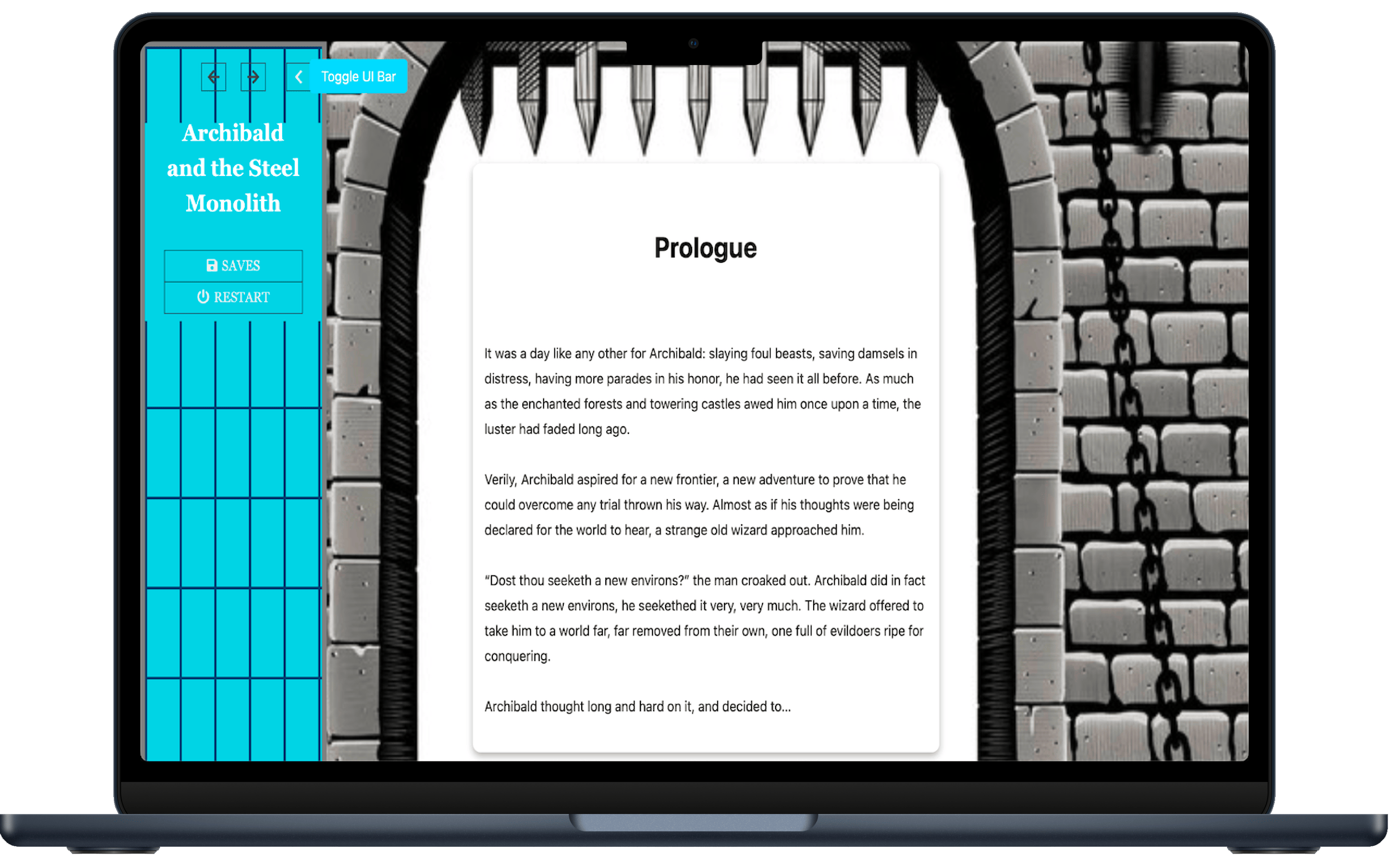
Archibald and the Steel Monolith
Archibald and the Steel Monolith
TYPE: TWINE GAME
ROLE: NARRATIVE, DESIGN, & DEVELOPMENT
TECH: TWINE, CSS, JS
Archibald and the Steel Monolith - Fantasy & Sci-fi Twine Game
A genre-blending interactive fiction game where a knight navigates a
corporate-dystopian future across different timelines. It pushes Twine's limits with custom-programmed
combat and escape minigames, testing the player's duty, honor, and adaptability.
Insights from My Teammate
"The general workflow from there was that we would tag team writing each of the 5 acts of the story while Rhythm would implement each scene in Twine. During the process, though, we floated the idea of more mechanical challenges at certain points. I saw them as kind of a stretch goal for the project after we got everything else done, so I wrote around the assumption that they would not be in the game. Despite that however, Rhythm went ahead and managed to program both the attack minigame (click on the enemy icons as they appear) and escape minigames (use the arrow keys to avoid the enemies) in Twine which impressed me to no end. I took acts 1, 3, and 5, and Rhythm took 2 and 4. This seems like a fairly balanced spread, but since act 5 is where all the unique endings took place it ended up being the most dense act to write for by far."
— David Halasz, Teammate
No. 006
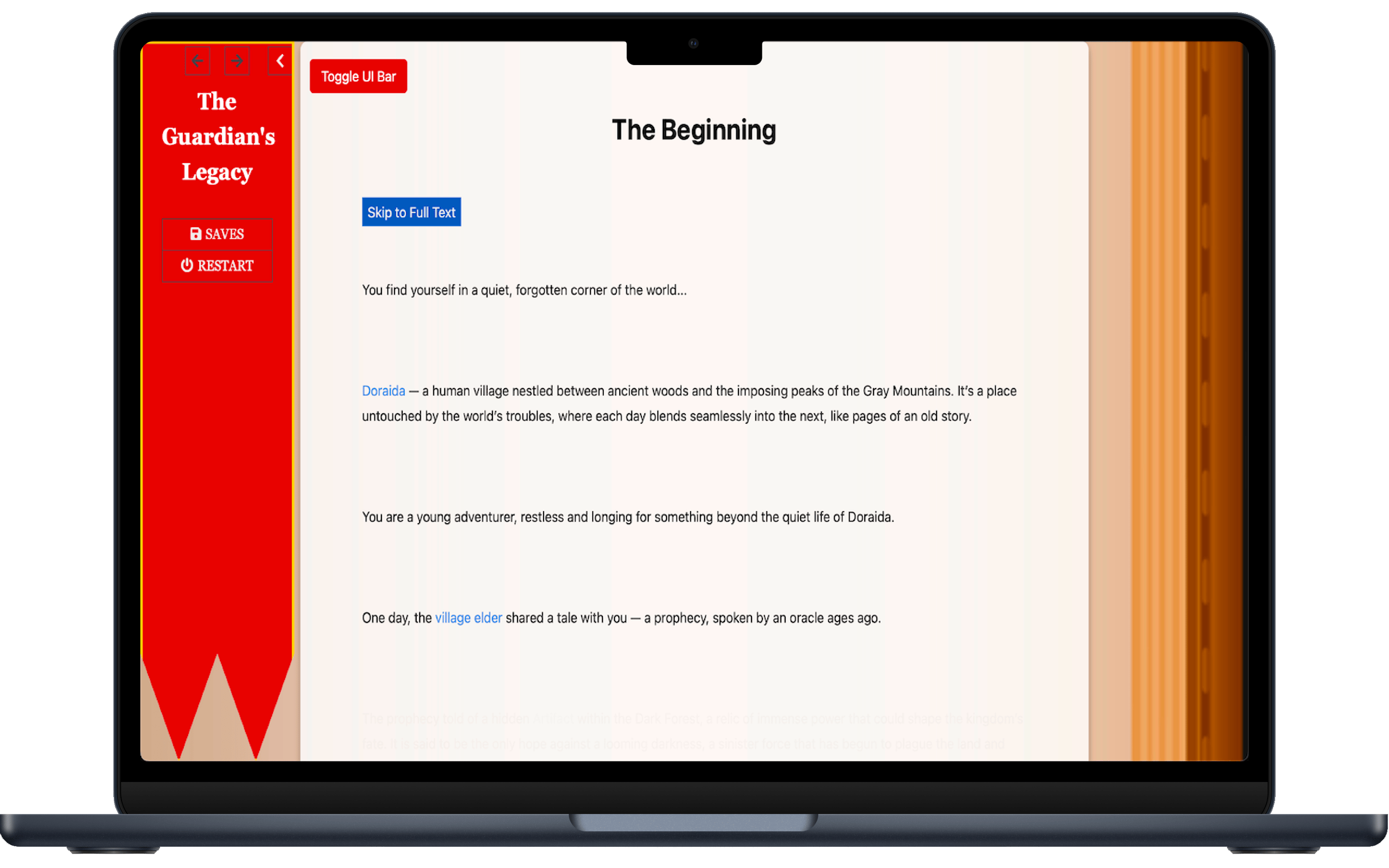
The Guardian's Legacy
The Guardian's Legacy
TYPE: TWINE GAME
ROLE: NARRATIVE, DESIGN, & DEVELOPMENT
TECH: TWINE, CSS, JS
The Guardian's Legacy - Fantasy Twine Game
A choice-driven interactive fantasy following a hero's quest for the Luminous Artifact.
The story features dynamic encounters with sorcerers and guardians, adapting based on weapon choices and
moral dilemmas to provide multiple unique branching outcomes.
Hey, I'm Rhythm - I like to build what I imagine
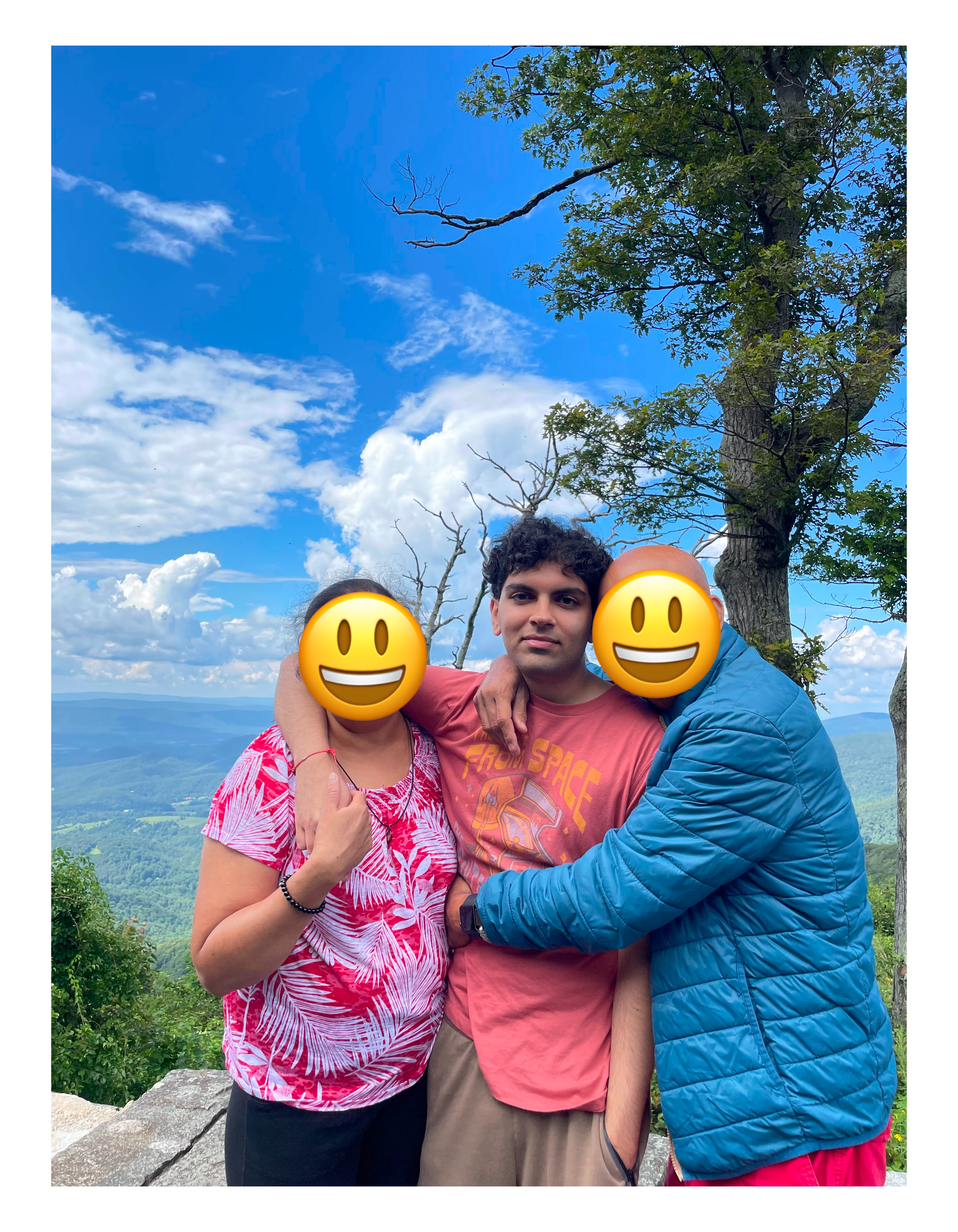
On a hike with my family
(my sister's behind the camera)
As a kid, video games sparked my interest in interactive experiences. While
studying
video game design in Pittsburgh, I discovered a deeper passion for the user-centered problem-solving
inherent
in product design, where I could directly impact how people interact with digital products.
Now, with a B.S. in Digital Narrative and Interactive Design, I apply user-centered design principles to
create intuitive and impactful experiences. My work focuses on ensuring every interaction serves a purpose
and
enhances the overall user journey, often leveraging tools like Figma and my understanding of front-end
development (HTML, CSS, JS).
Currently, I'm reading Refactoring UI by Adam Wathan & Steve Schoger and learning more about front-end
development to better bridge the gap between design and implementation.
I'm always eager to connect on interesting projects and conversations about design. Feel free to reach out
to collaborate or discuss opportunities at rhythmdesai22@gmail.com.